Will Boeing ever regain the quality status to earn this famous and popular flight crew acclamation? To answer that question, would a look back into Boeing’s history provide us with a clue? Perhaps.
Boeing built large airplanes for the US military during WWII, lots of them. They continued to engineer, innovate, test and build jet airliners after the war throughout the 20th century. The iconic B-747 was a dream to fly, nimble as smaller plane, powerful, reliable, sturdy, and just a massive machine. Every time I came aboard, I had to stop on the entry stairs and look up at this huge building in which I was about to fly across the ocean.
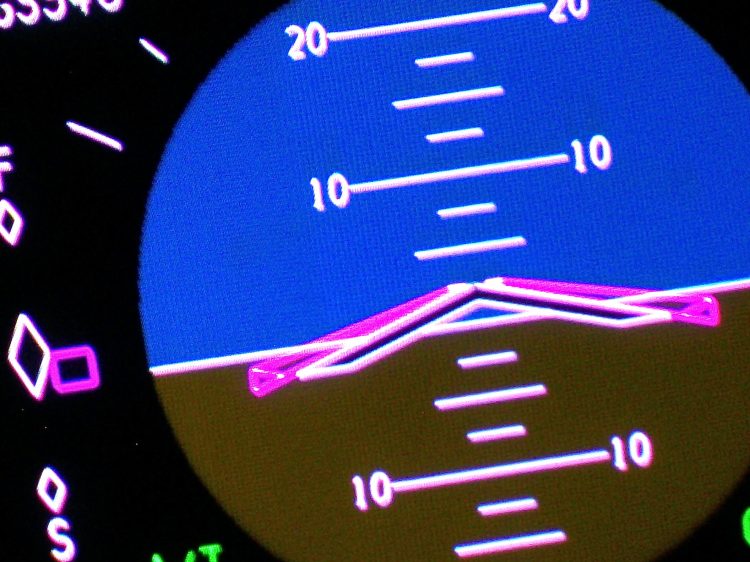

The earlier B-727 was powerful, reliable, and again a nimble, fun machine to fly. When I got to captain the B-757 and the B-767, I marveled at the sophisticated design thoughts that made these two aircraft so reliable, powerful, nimble on the controls, and a dream to fly. I learned more about them on every flight and looked forward to my next flight, day or night, good weather or bad, a short flight or one that took us around the world. The aircraft was on our side and I could always be sure that we could work well together in the air.
I knew that many engineers and designers had spent years, and worked together brilliantly to create such magnificent aircraft, such powerful machines, such reliable systems. They were and are things of beauty.

Now somewhere along the line, a middle manager, or perhaps a C Suite level manager said, “How can we cut costs?” That question has one huge false assumption in it, the assumption that the design and engineering contained costs that we not essential to the greatness of Boeing commercial aircraft. I can only guess, and this is purely a guess, that this manager never flew the planes, maybe never even walked the assembly floor, or maybe never witnessed the talented Boeing test pilots flying and demonstrating the wonderful capabilities of these superb machines.
We can only guess.
Cut costs? Wow, who wins that exercise? The manager? Does the manager get to proclaim that by cost cutting, the company saved $60K or may be $100K per plane?
This is pure fiction for I do not have access to investigate this decision, and have nothing but publicly available information, but let’s take a look at this fictional possibility. For example, let’s set up a low cost assemblage company to add to the corporate bottom line. So, instead of an office of 55 quality control inspectors, at $50K each a year, let’s cut that down to 12 inspectors at $45K a year. Right there we save what, $2.21 million a year? Again, this is totally fiction, based on no investigation, -or is it?
Someone didn’t put the bolts in the aft cabin door that blew off, and someone in quality control didn’t notice. Fiction or non-fiction? And no one else noticed, or thought that someone else would be putting in the bolts later?
Another fictional example is not putting design features of the new 737 flight control system in the aircraft systems manual, and worse, putting a control system on the aircraft which has no indicator lights, control switches or levers in the cockpit, and a system which flight crew cannot over-power with the controls that they do have in the cockpit, and worse still, keeping all of that systems information from airline customers. Again though is it fiction or is it non-fiction?
How much did this design feature save the company? How much? A few tens of millions by not having to redesign, test and re-certify a new model with the FAA were saved perhaps. Fiction again or is it?
Then lets look at stock prices soaring to $440 a share in February of 2019, and then precipitously dropping down to below $100 a share by March 2020. Was that a drop in market capitalization of $13 billion? Let’s see, by a profit margin of 10%, Boeing would have to sell $130 in commercial aircraft, just to break even. Not very good management by any standard. Is it fiction or non-fiction?
Boeing shareholders have seen their investments slowly fade away like a child’s Popsicle on a hot August afternoon.
So yes, middle and upper managers may have gone on cost cutting campaigns at Boeing, and never realized that they were loosing billions to save a few million. Why is that a good decision?

If the aircraft is no longer being built by engineers and designers, but instead by cost cutting managers, perhaps the once famous and popular acclamation will morph into, “… gosh if it’s a Boeing, who designed and built it?”
Again, just a bit of fiction: If I was CEO of a company whose stock dropped from $440 to well below $100, I might be reluctant to have that management team lead the company, and I certainly would not let them step foot on the design and engineer floor for commercial aircraft.
Just one person’s humble opinion.
 Safety Forecast